Order refund
Workflow-specific context
KnowledgeRefund policy
SkillsRefund procedure
ToolsPayment actions
ExamplesResolution examples
scope / order-refundAssembled
30-min demo call with founding team
01. Execution
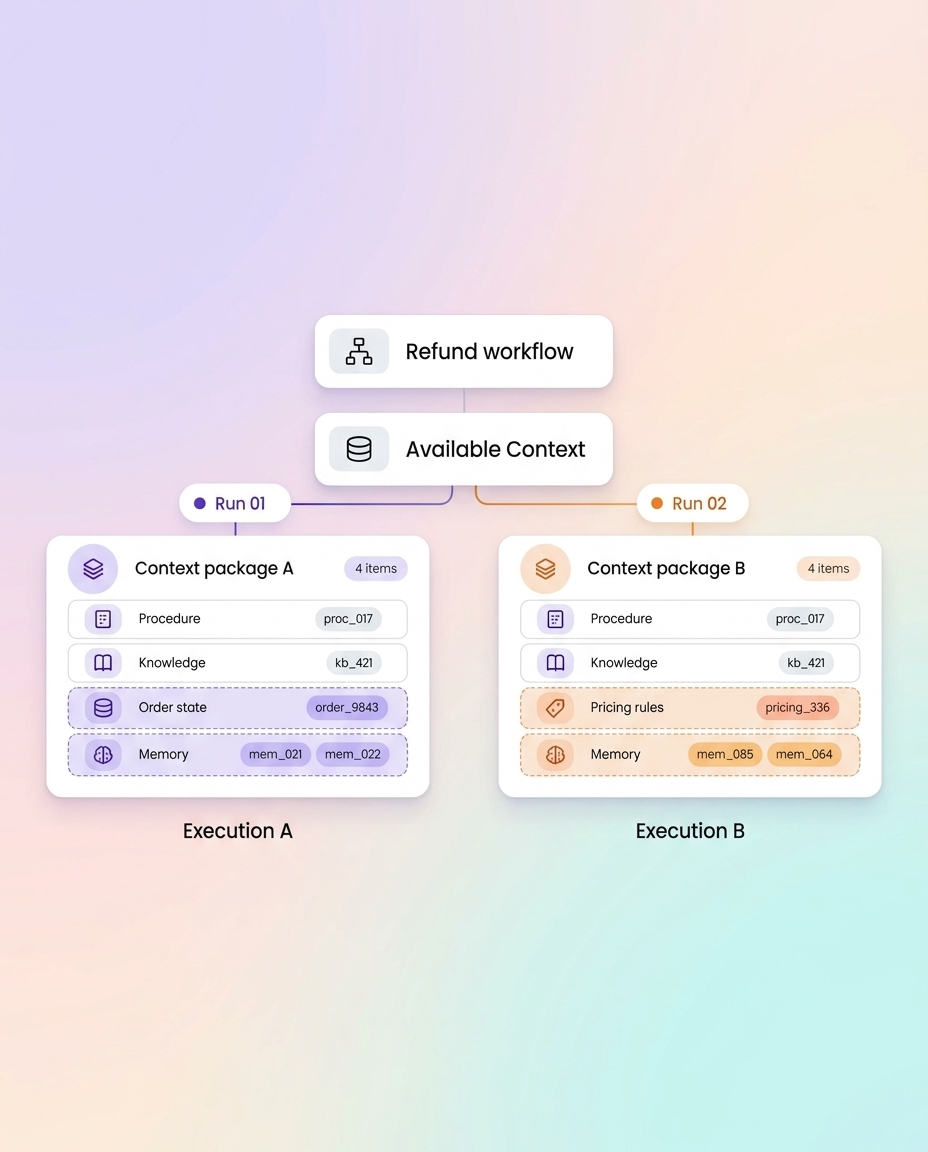
Two executions of the same workflow can require different context because the customer, case, product, history and live state are different.
Context should adapt with every agent workflow. The logic to build it shouldn't.
02. TIME
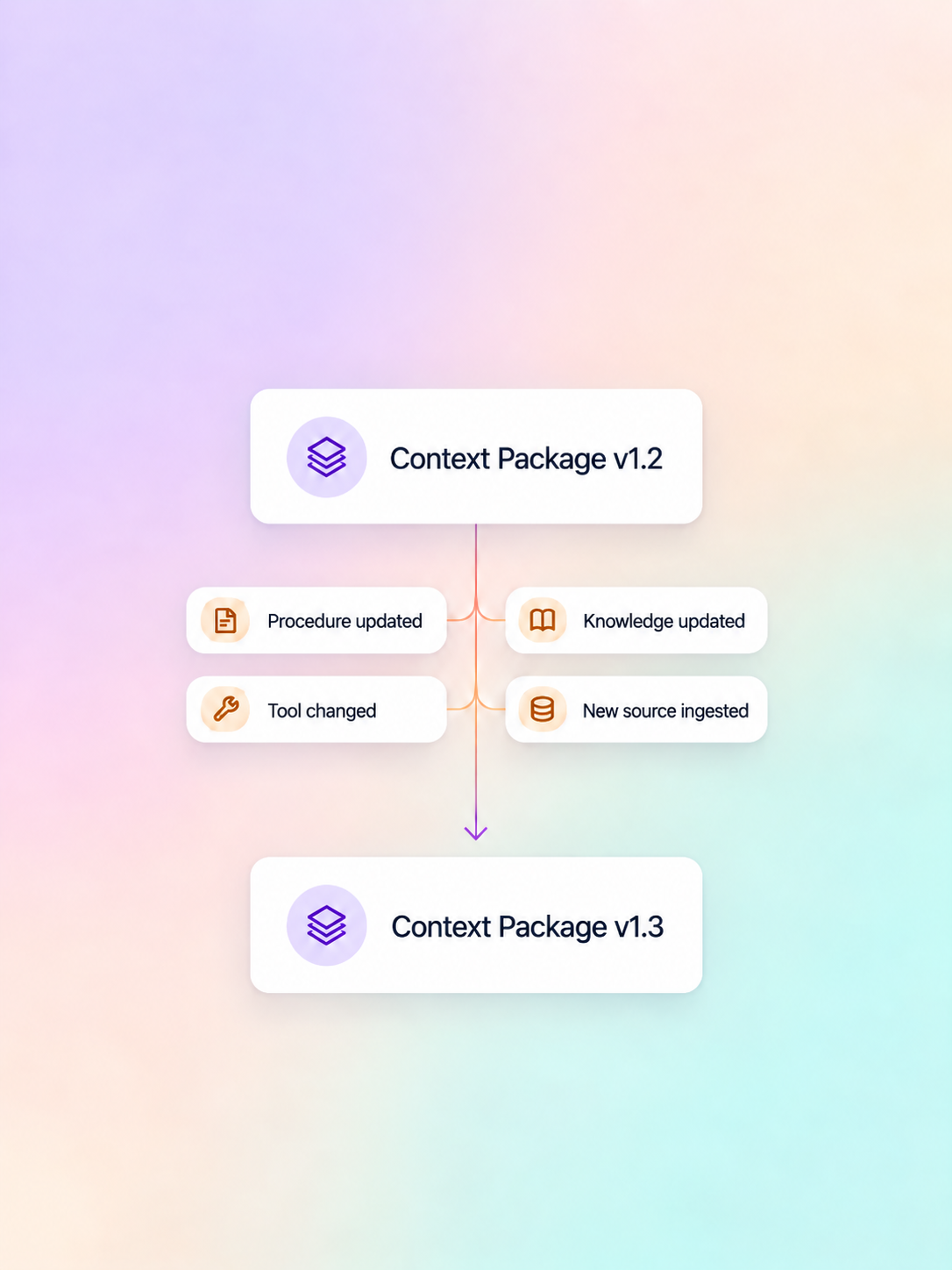
Procedures change, knowledge gets updated, tools evolve and new raw sources get ingested by your system.
A good context configuration isn't a one-time retrieval problem, but it has to keep evolving with the workflow and its environment.
INTRODUCING COELEVATE
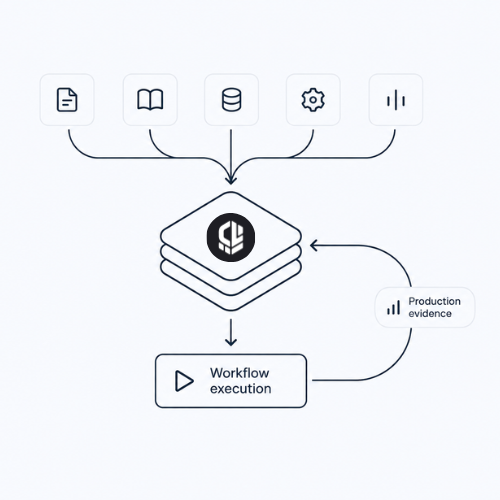
Coelevate ingests context from across your company, consolidates it into curated Knowledge, Skills, Tools, Memories and Procedures and assembles what each AI workflow needs into its own versioned Context Repo.
One shared source pool. Different workflows. Different context.
Context management system
Workflow-specific context
Illustrative pipeline. Coelevate ingests raw sources, learns and consolidates curated assets, then assembles a workflow-specific context repo. The examples cycle between Order refund, Sales forecast and Vendor onboarding. Pause the animation to inspect an example.
Knowledge retrieval is one input to an agent execution. So are memory, procedures, tools, permissions, business rules and live state.
Coelevate sits across the systems you already use and governs how their outputs become operational context for a specific workflow execution, and how that context evolves over time.
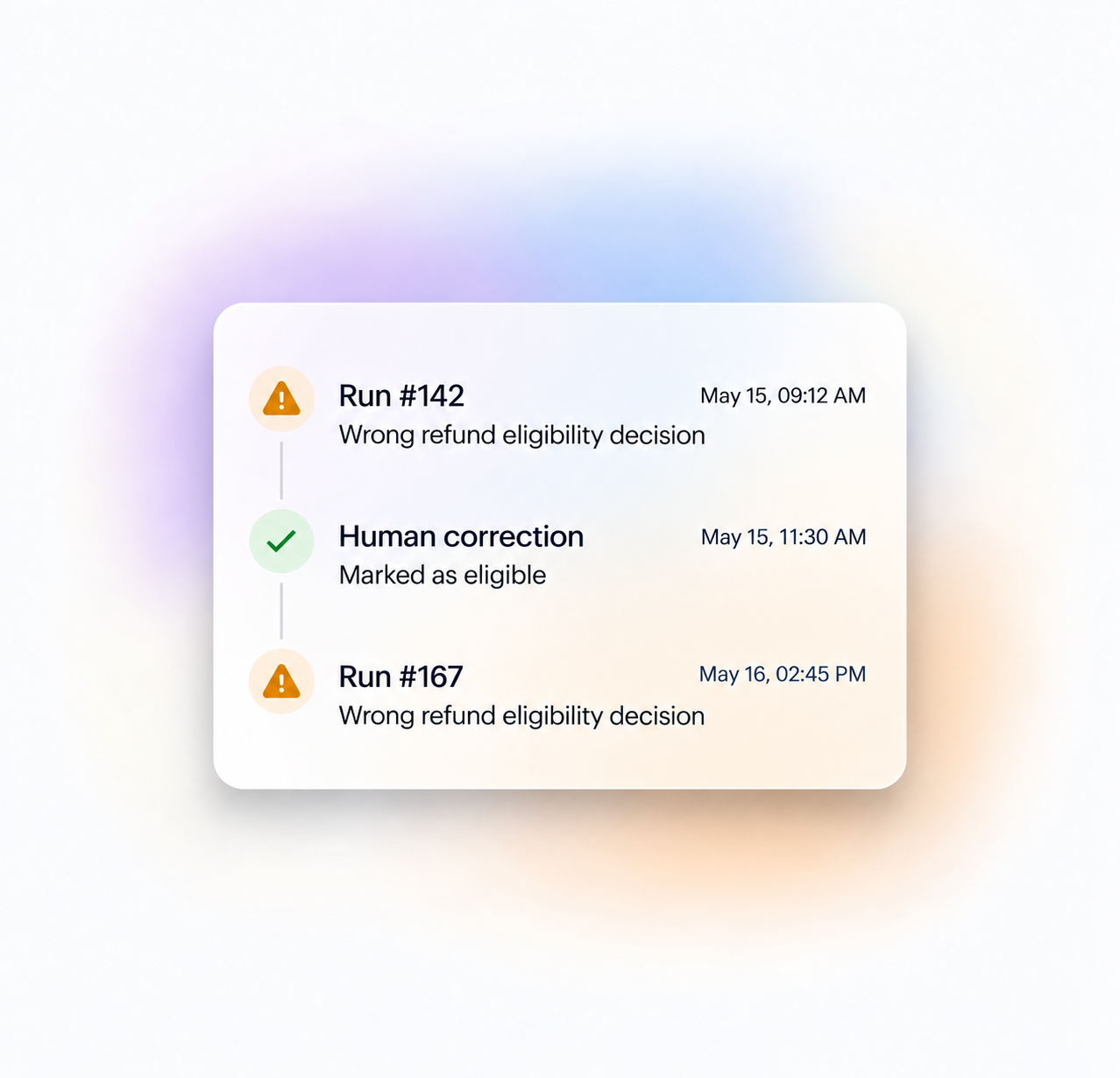
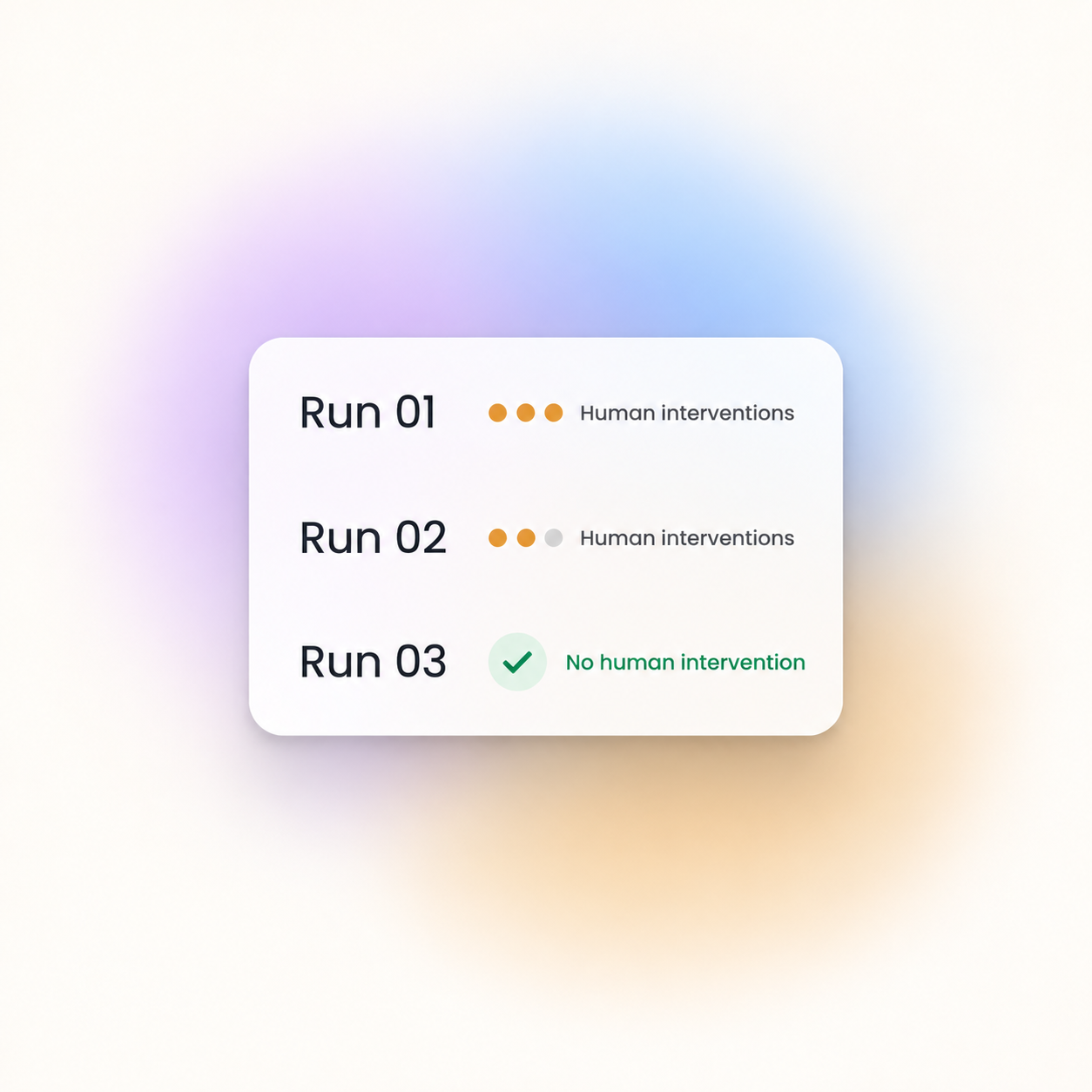
The agent fails again on something humans already corrected.
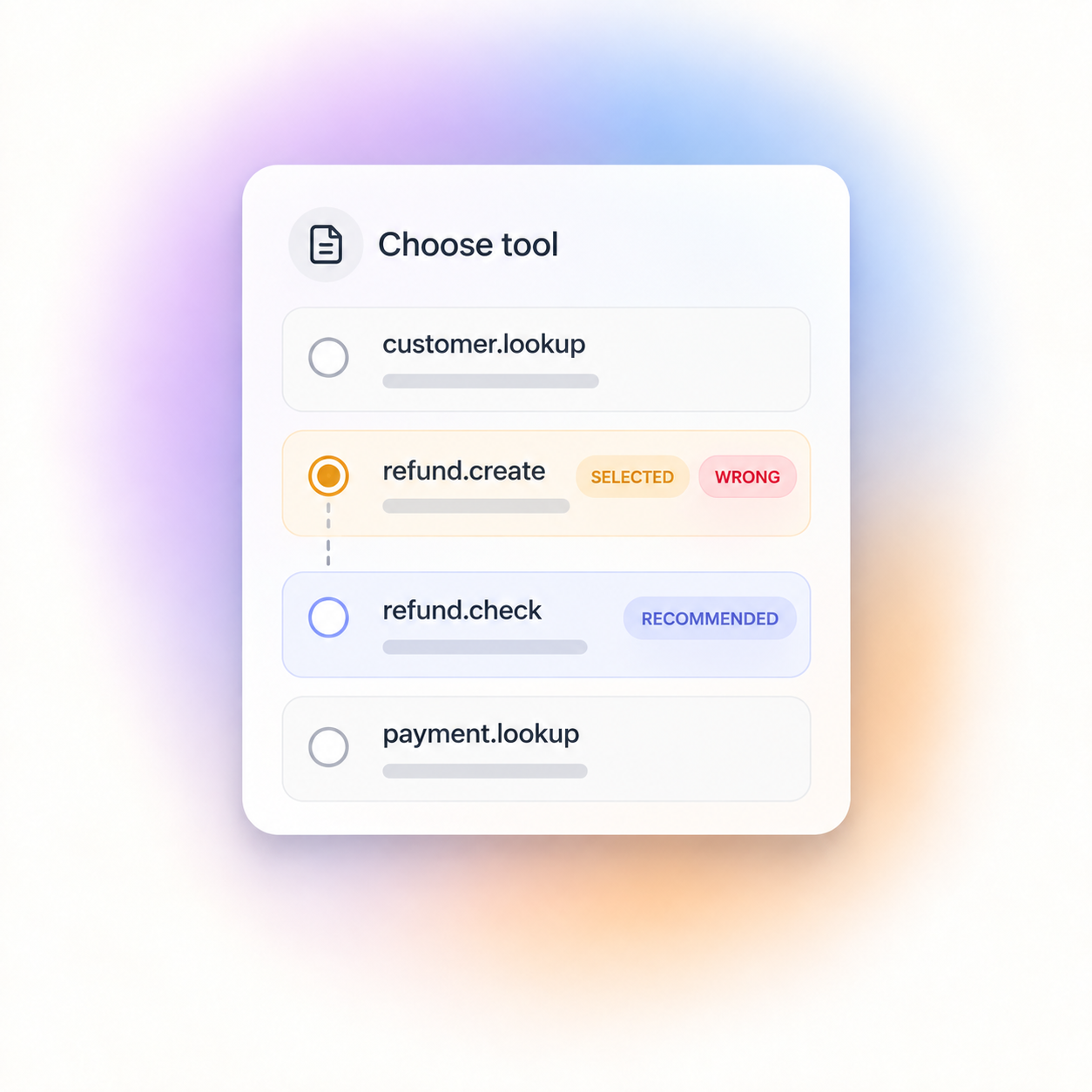
The right capability exists, but the agent uses the wrong one.
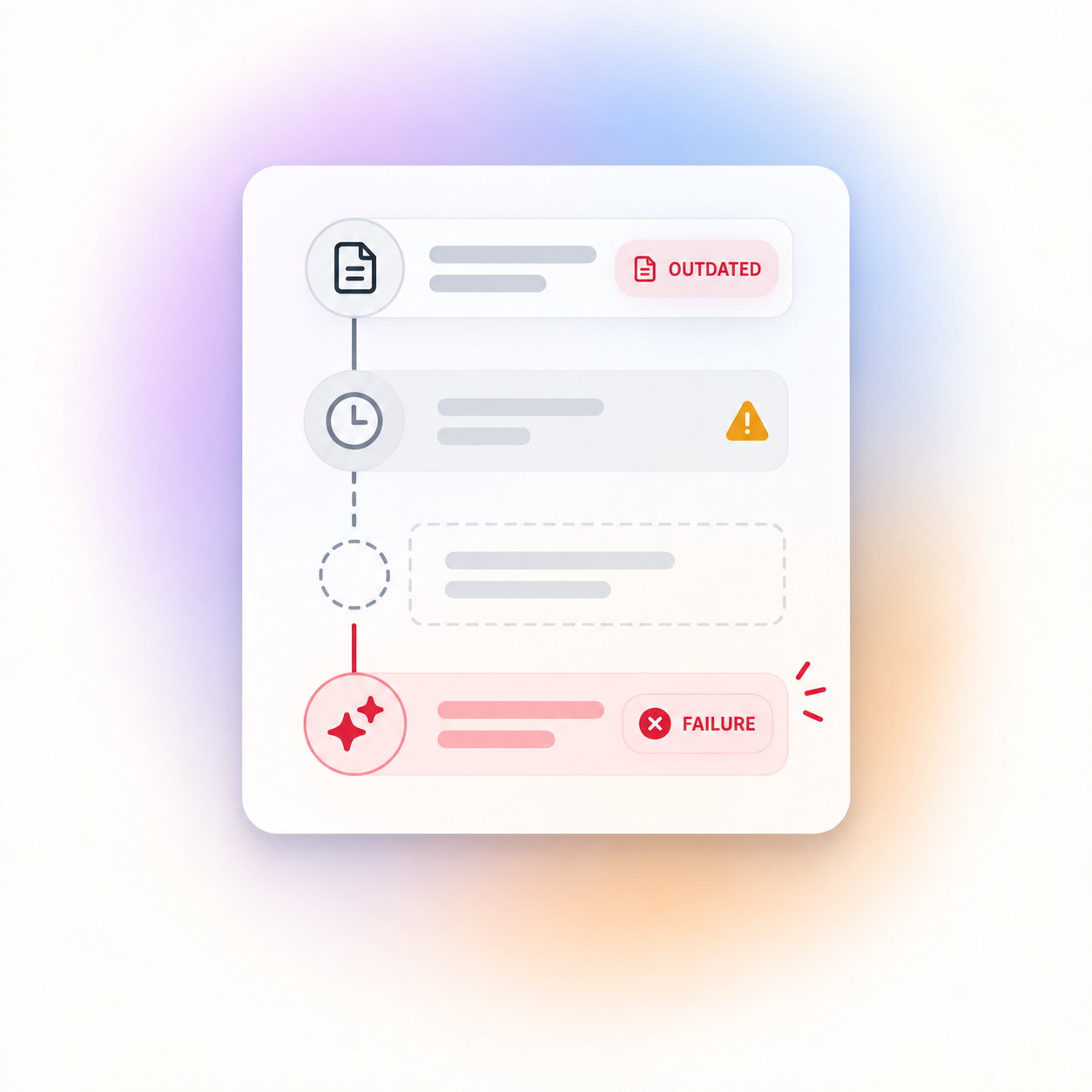
The workflow follows an old process or the agent fills in the missing steps itself.
Keep execution context aligned with current procedures, domain knowledge, tools and runtime conditions.
Make context updates explicit, versioned and reviewable instead of patching prompts, retrieval and tools independently.
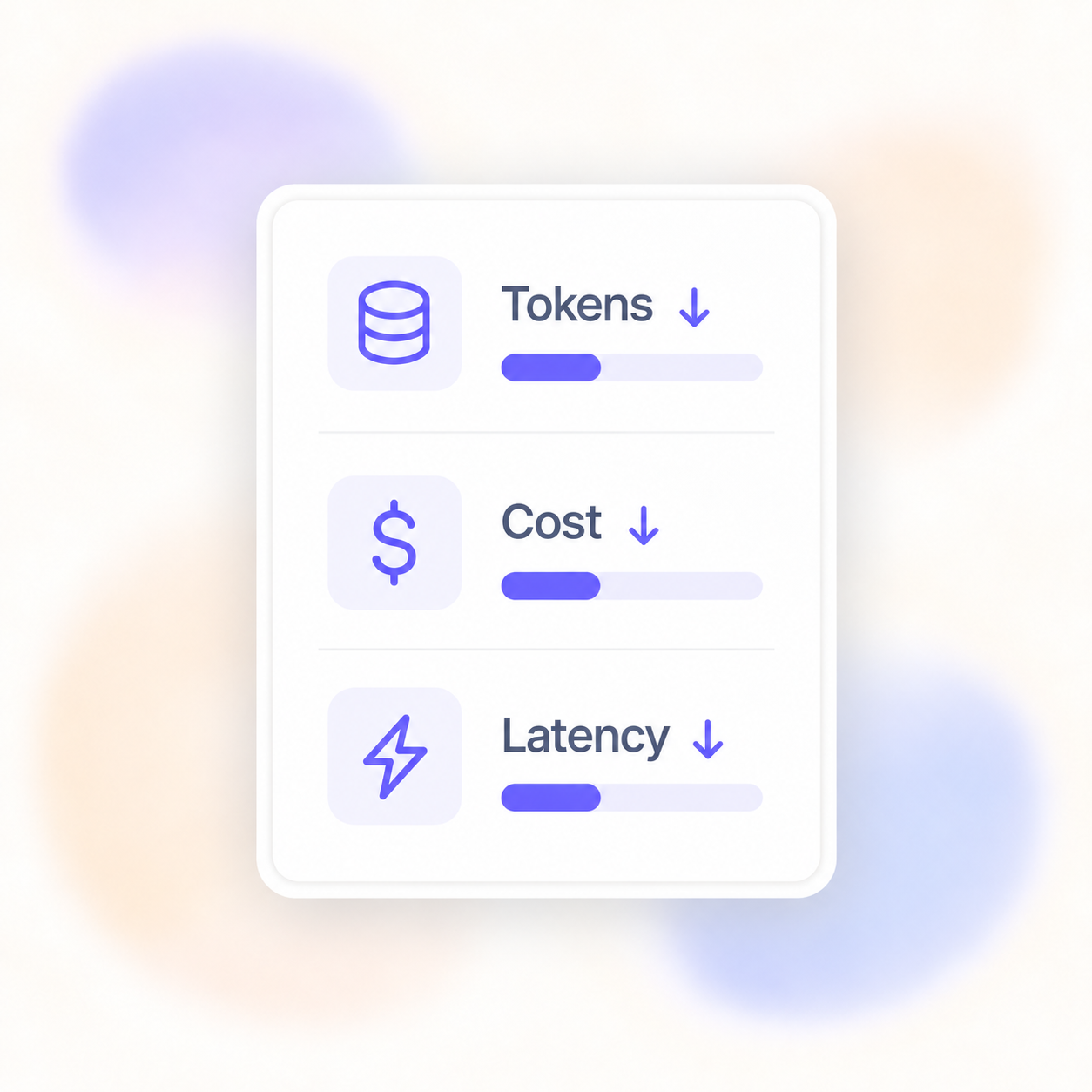
Reduce irrelevant context, unnecessary tool exposure and token waste while improving agent latency.
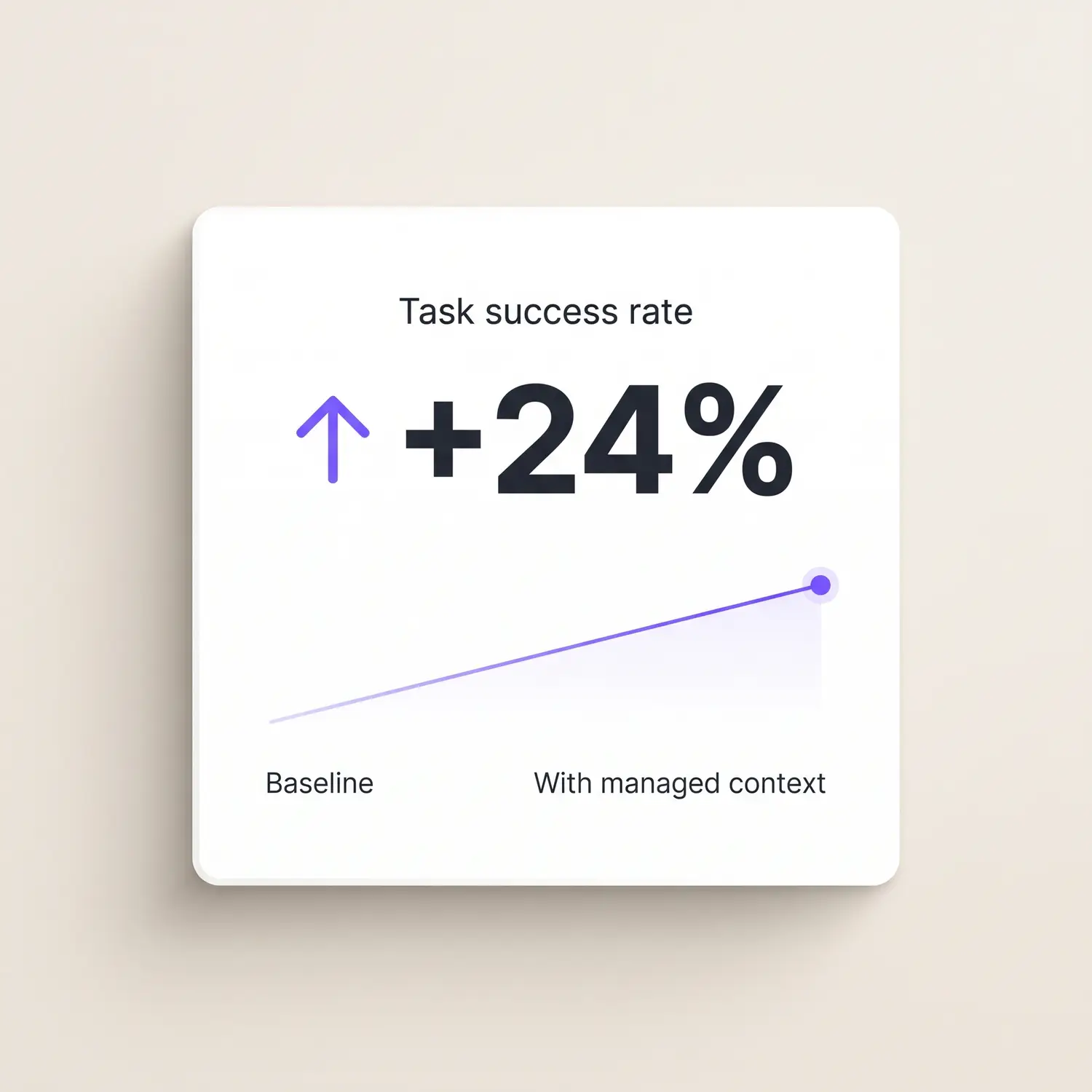
Reduce repeated corrections caused by missing, stale or misleading context.
30-min demo call with founding team
Coelevate helps AI workflows run with the right operational context for each execution. It brings those elements into a governed context system and uses production evidence to keep that context aligned as workflows and business conditions change over time.
Because execution context is broader than information retrieval.
An agent may need the right knowledge, but also the right procedures, tools, memories, rules and live state. When those decisions are reconstructed independently at runtime, important context can be missed, irrelevant context can be included, and different executions can behave inconsistently.
Coelevate governs how those pieces come together instead of leaving every run to reconstruct them from scratch.
No. RAG primarily answers: “What information is relevant to this query?”
Coelevate addresses a broader question: “What should this workflow have available to execute this specific run?”
Retrieved knowledge can be part of that context, alongside procedures, tools, memory, business rules and live state.
Memory helps an agent retain and recall information from previous interactions or executions.
Coelevate decides how relevant memories should be combined with everything else the workflow needs (such as procedures, knowledge, tools, rules and current operational data).
Memory is therefore one possible component of the context Coelevate manages, rather than a replacement for it.
Yes, and often they should.
Two executions of the same workflow may involve different customers, cases, products, histories or live conditions. Coelevate is not designed to make every execution receive identical context.
It is designed to govern what should change between executions, what should remain consistent, and why.
Context should not be configured once and then left to go stale.
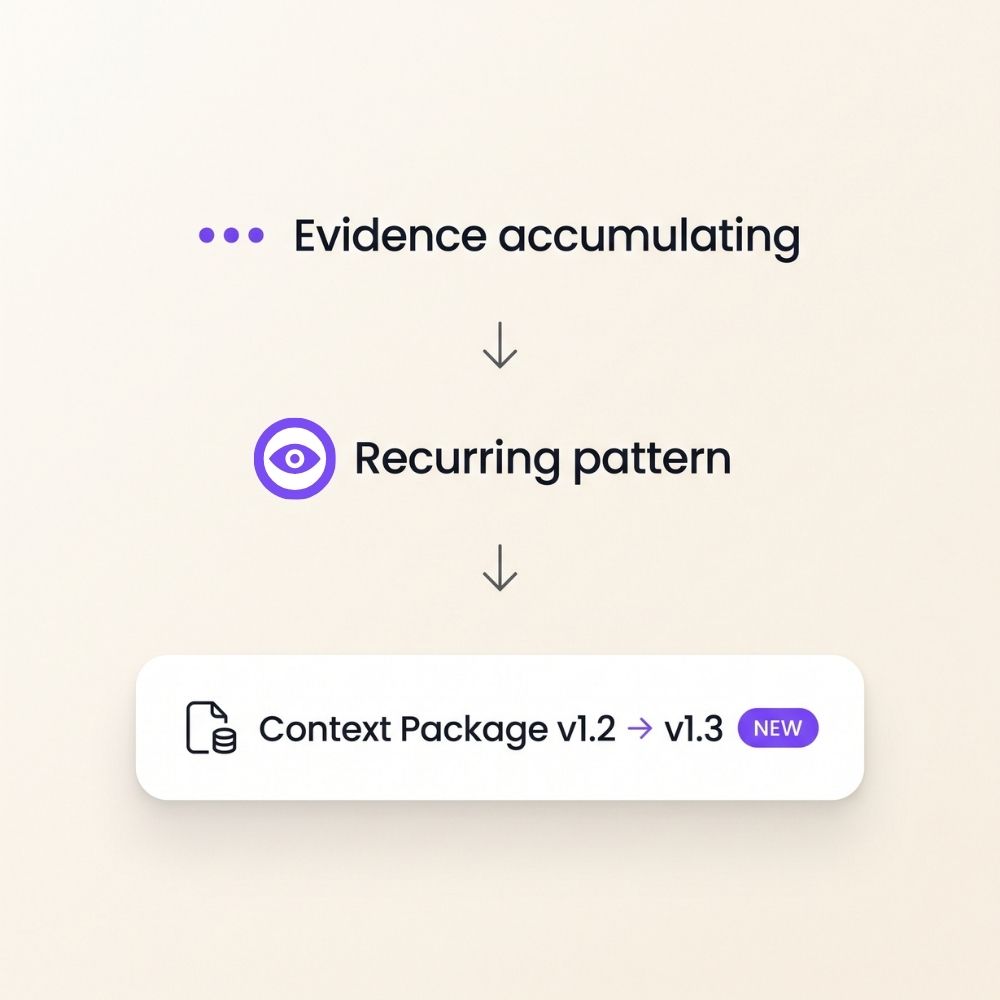
As new documents, production traces, outcomes, feedback and operational changes accumulate, Coelevate uses that evidence to identify where the context behind a workflow may need to evolve.
Instead of turning every individual event into a new rule, recurring evidence can lead to controlled context updates over time.
No. Coelevate is designed to work with the systems your agents already depend on.
Your existing retrieval, memory, tools, models, knowledge systems and agent framework can remain in place. Coelevate adds a layer for governing how those systems become operational context for each workflow execution and how that context evolves over time.
Coelevate has the highest leverage where context is already becoming an operational bottleneck.
Typical signals include workflows that rely on multiple tools and knowledge sources, frequently changing procedures, customer or case-specific state, repeated corrections, or significant human intervention.
The stronger the consequences of running with incomplete, outdated or irrelevant context, the stronger the potential fit.
The context engineering platform that turns
scattered agent context into a managed system.
Gravity Break Srl
14736360968
info@coelevate.ai
The context engineering platform that turns
scattered agent context into a managed system.
Gravity Break Srl
14736360968
info@coelevate.ai